
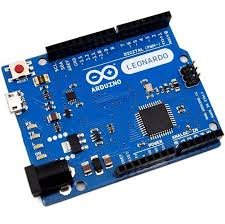


ARDUINO DUE AT91SAM3X8E ARM Cortex-M3 Board
₨8,360.00
Delivered All over Pakistan 🇵🇰
The Arduino Due Board features an 84 MHz ARM Cortex-M3 microcontroller with multiple I/O pins and communication interfaces. It is suitable for robotics, automation, IoT, and advanced embedded projects.
Description
Introduction to Arduino Due ARM Cortex-M3 Board
The Arduino Due AT91SAM3X8E ARM Cortex-M3 Board is a powerful development board designed for advanced electronics, robotics, automation, and embedded system projects. It features an 84 MHz ARM Cortex-M3 microcontroller, 512 KB flash memory, and 96 KB SRAM for handling more demanding applications.Moreover, the board provides 54 digital I/O pins, 12 analog inputs, and two 12-bit DAC channels. In addition, it supports UART, SPI, I2C, CAN, and USB communication interfaces. Furthermore, its 3.3V operating voltage makes it suitable for a wide range of compatible electronic components. Therefore, it is a practical platform for students, developers, and electronics enthusiasts working on advanced projects.
How the Arduino Due Board Works
The board uses the Atmel SAM3X8E ARM Cortex-M3 microcontroller to execute programmed instructions and control connected components. First, users connect sensors, modules, displays, motors, or other compatible devices to the available I/O pins. Next, they upload their program through the programming interface.Then, the microcontroller processes input signals and controls the connected devices according to the programmed logic. Additionally, the board’s communication interfaces allow it to exchange data with external modules and peripherals. As a result, users can develop complex control, automation, communication, and embedded applications.
Key Features & Specifications
- Microcontroller: Atmel SAM3X8E ARM Cortex-M3
- Operating Voltage: 3.3V
- Input Voltage: 7–12V recommended
- Clock Speed: 84 MHz
- Digital I/O: 54 pins
- PWM: 12 PWM-capable pins
- Analog Inputs: 12
- DAC: 2 × 12-bit channels
- Flash Memory: 512 KB
- SRAM: 96 KB
- Communication: UART, SPI, I2C, CAN, USB
- USB: Native USB and Programming USB ports
Applications & Use Cases
The Arduino Due Board is suitable for robotics, automation, embedded systems, IoT projects, electronics laboratories, and advanced Arduino development. For example, users can connect sensors and actuators to create programmable control systems.Similarly, students can develop practical skills in microcontroller programming, communication protocols, sensor integration, and embedded control. In addition, the board can support projects requiring multiple I/O connections and higher processing performance.Furthermore, its CAN, SPI, I2C, and USB interfaces provide options for connecting different peripherals. As a result, the Arduino Due offers a versatile platform for exploring advanced electronics, robotics, automation, and embedded system development.
Visit our website Ampflick for more products.
You can also visit our Instagram and Facebook for latest update
Only logged in customers who have purchased this product may leave a review.
Reviews
There are no reviews yet.